

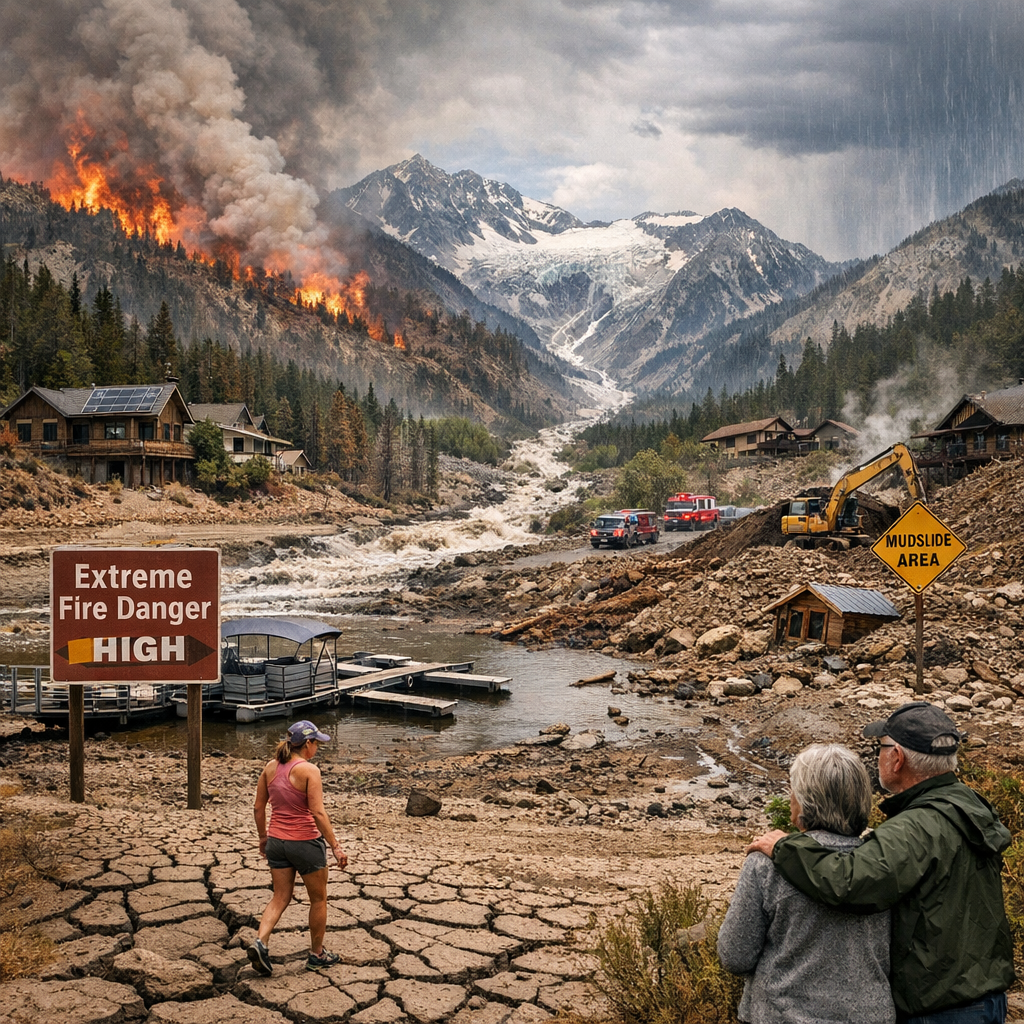
Mountain regions across the globe are experiencing the effects of climate change more intensely than many other areas. This phenomenon, known as elevation-dependent climate change, results in accelerated warming at higher altitudes, leading to significant environmental and socio-economic challenges.
Accelerated Warming in Mountain Regions
Studies indicate that mountain areas have been warming at an average rate of 0.3°C per decade, surpassing the global average of 0.2°C per decade. This rapid temperature increase has profound implications for mountain ecosystems and the communities that depend on them.
Impacts on Water Resources
One of the most critical consequences of rising temperatures is the accelerated melting of glaciers and snowpacks. Over one billion people worldwide rely on mountain snow and glaciers for freshwater. As temperatures rise, more precipitation falls as rain instead of snow, reducing snow accumulation and affecting water availability downstream.
Effects on Biodiversity and Ecosystems
Mountain ecosystems are home to unique flora and fauna adapted to specific climatic conditions. Rapid warming disrupts these habitats, leading to shifts in species distributions and, in some cases, local extinctions. Such changes can alter ecosystem services, including water regulation and soil stability, which are vital for both mountain and downstream communities.
Socio-Economic Challenges
Mountain communities often rely on agriculture, tourism, and natural resources for their livelihoods. Climate-induced changes, such as altered growing seasons, increased frequency of natural disasters, and reduced snow cover, pose significant challenges to these economic activities. For instance, ski resorts may face shorter seasons and increased operational costs due to inconsistent snowfall.
Adaptation and Resilience
Addressing these challenges requires integrated, cross-sectoral approaches to enhance the resilience of mountain communities. Strategies include diversifying economies, investing in sustainable tourism, implementing climate-smart agricultural practices, and strengthening disaster risk management. Empowering local communities and incorporating indigenous knowledge are also crucial for effective adaptation.
Implications for Breckenridge
As a mountain town, Breckenridge is not immune to these global trends. Observing and understanding the impacts of climate change in other mountain regions can provide valuable insights for local adaptation strategies. Proactive measures, community engagement, and sustainable practices will be essential to navigate the challenges posed by a changing climate.