

As we navigate the complexities of the current U.S. political and economic landscape, several key developments have emerged that warrant attention.
Political Climate and Public Sentiment
Recent polling indicates a significant level of public concern regarding the state of the U.S. political system. Approximately one-third of Americans identify politics and government as the nation’s most pressing issues. This anxiety is particularly pronounced among older demographics, while younger Americans are more focused on economic challenges such as housing affordability and basic needs. This generational divide mirrors trends observed in other high-income countries grappling with similar issues.
Economic Indicators and Federal Reserve Leadership
The U.S. economy continues to present a mixed picture. While there has been a rebound in economic activity following a dip in early 2025, growth in the fourth quarter of 2025 was lower than anticipated. The labor market remains stagnant, and inflation, though below its peak, persists stubbornly. In response to these challenges, Kevin Warsh has been sworn in as the new Federal Reserve Chair, replacing Jerome Powell. Warsh inherits significant economic obstacles, and his leadership will be crucial in steering monetary policy to address these ongoing issues.
Trade Policies and Tariff Implications
Trade policies continue to be a focal point of economic discourse. President Donald Trump’s administration has implemented sweeping tariffs affecting virtually all U.S. trade partners. However, a recent Supreme Court ruling struck down these reciprocal tariffs, injecting fresh uncertainty for consumers and businesses alike. The ruling’s implications are still unfolding, and stakeholders are closely monitoring potential shifts in trade dynamics.
Consumer Confidence and Market Reactions
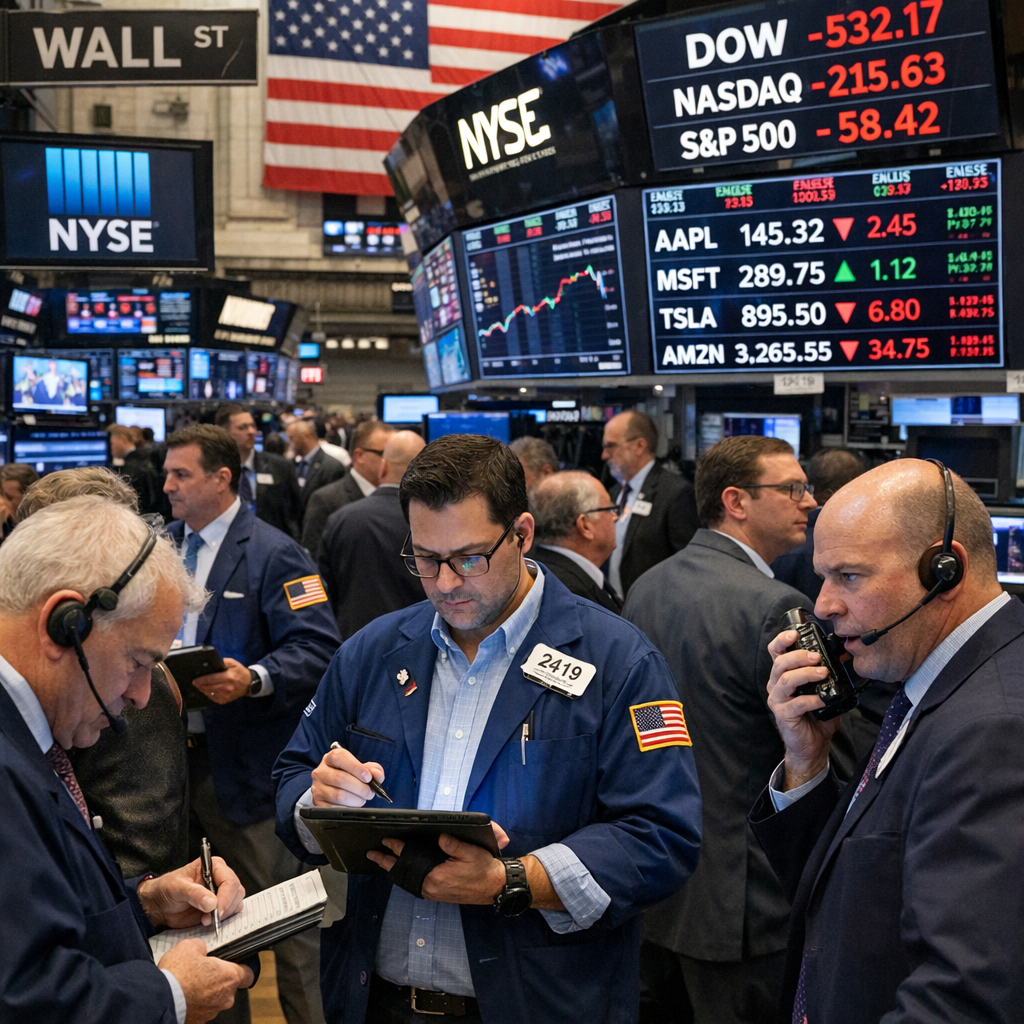
Consumer confidence has been dented by elevated gas prices and persistent inflation. The global energy crisis, exacerbated by ongoing conflicts, has led to a significant increase in gasoline prices, impacting household budgets nationwide. Additionally, the stock market has experienced volatility, with investors reacting to various economic indicators and geopolitical events. Notably, the Dow Jones Industrial Average recently soared nearly 900 points as Wall Street bets on a potential peace deal with Iran, highlighting the market’s sensitivity to international developments.
In conclusion, the current U.S. political and economic environment is characterized by a confluence of challenges and uncertainties. Public sentiment reflects deep-seated concerns about political stability and economic mobility, while policymakers and economic leaders grapple with complex issues ranging from trade policies to inflation management. Staying informed and engaged is essential as these dynamics continue to evolve.