

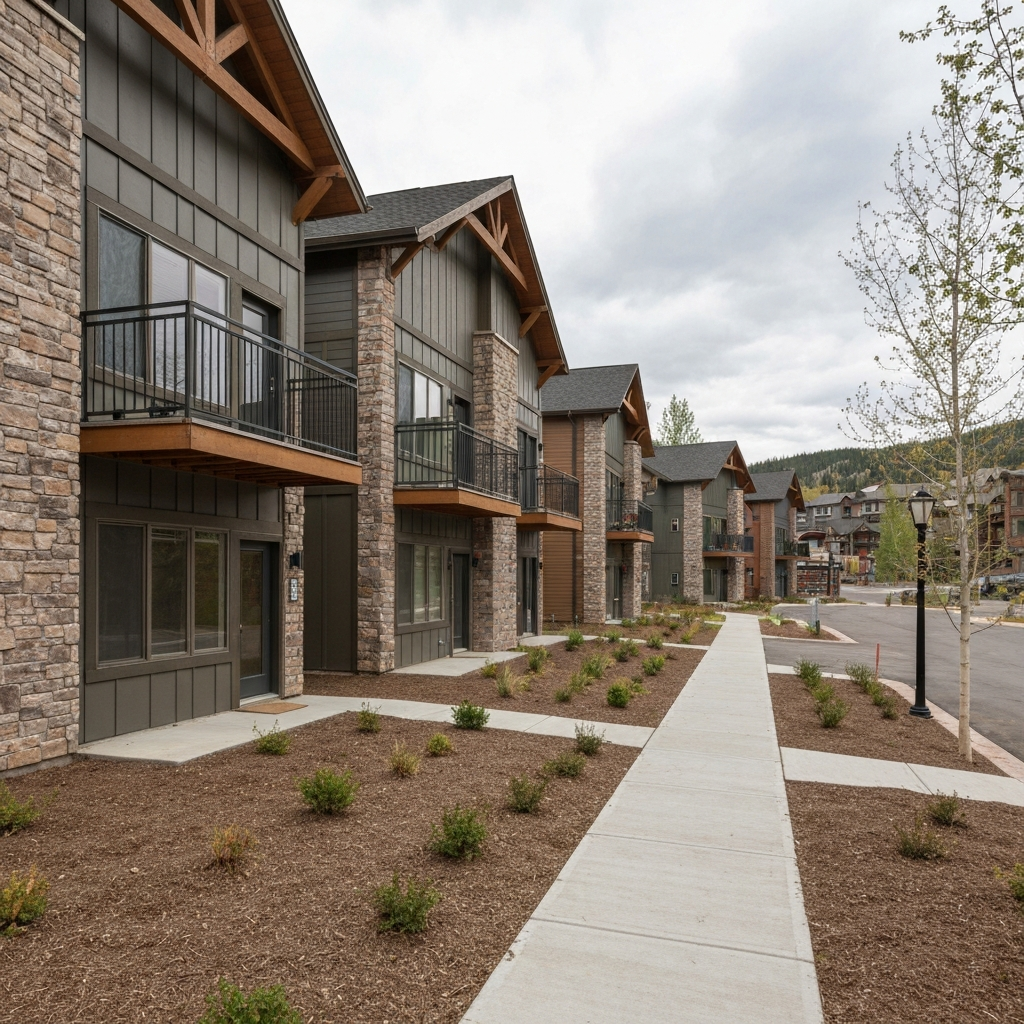
Breckenridge has been actively addressing the housing needs of its local workforce through various initiatives. The town’s comprehensive strategy includes land banking, deed restrictions, buy-downs, financial incentives, and strategic partnerships with developers. This approach has led to the creation of over 400 new deed-restricted units, with an additional 300 expected in the coming years. Notably, nearly 75% of full-time residences are now reserved for local workers, demonstrating a strong commitment to preserving community character amidst rising property values.
However, challenges persist. Some workforce housing units remain unoccupied, prompting town officials to reconsider their approach. For instance, the Vista Verde II development currently has 12 vacant units, raising questions about the alignment between housing availability and workforce needs. Additionally, policies requiring certain businesses to invest in workforce housing have had unintended consequences, leading the town council to consider amendments to better support both businesses and employees.
Financial sustainability is another concern. The potential loss of $17 million in community funding if the Strong Future Initiative is not renewed by 2028 could significantly impact essential services and housing projects. Mayor Kelly Owens emphasized the importance of this funding, stating that its absence would lead to the disappearance of critical services.
Despite these challenges, Breckenridge remains committed to its vision of balancing quality of life for residents with the town’s appeal to visitors. Ongoing efforts to refine housing policies and secure necessary funding are crucial to ensuring that the local workforce can continue to live and thrive in the community they serve.